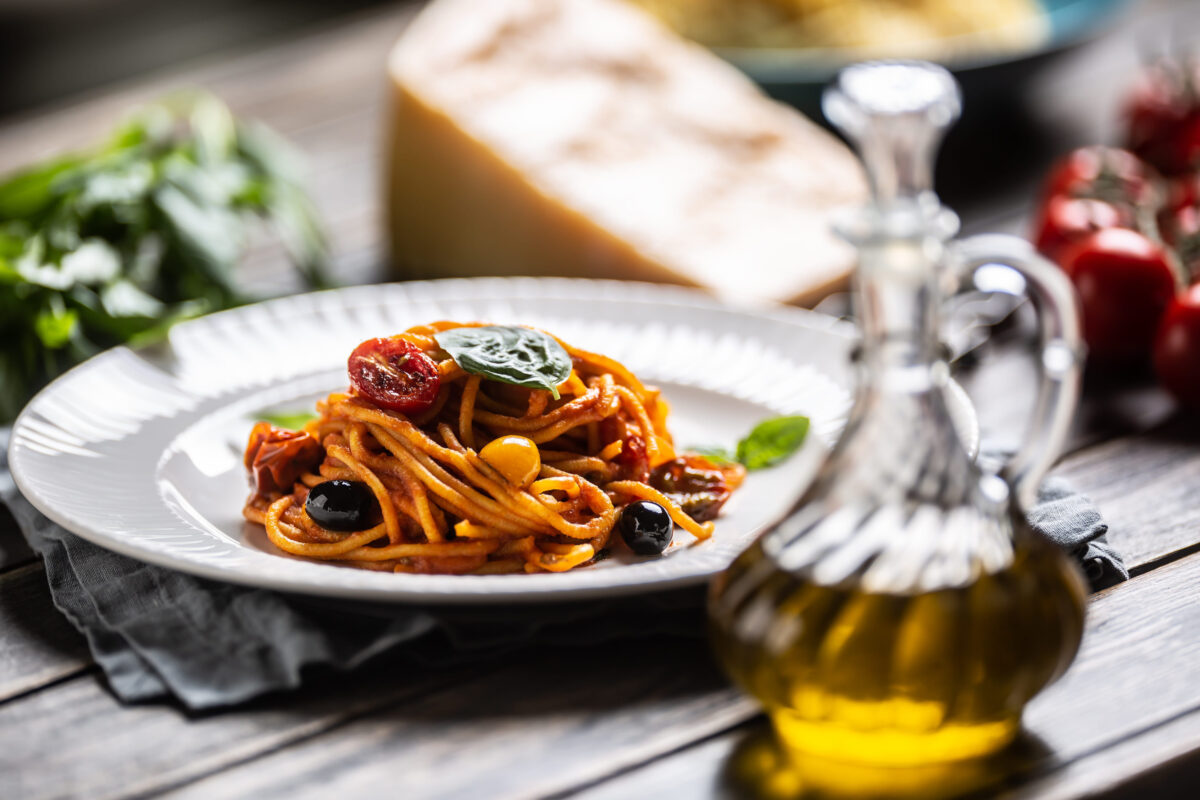
Pasta is often discussed through culture, nutrition and culinary tradition. Yet part of its lasting relevance comes from a more practical dimension: its ability to fit into everyday life across different markets, routines and food cultures.
It can be kept at home, prepared with basic tools and adapted to different habits, budgets and needs. For a global food category, this accessibility is not a secondary quality. It is one of the reasons why pasta continues to be present in homes, professional kitchens and food services in many parts of the world.
Accessibility starts from daily life
In food systems, accessibility is usually linked to availability, affordability and the ability of people to obtain food that is safe, nutritious and suited to their needs. The FAO and the World Bank place access at the centre of food security, together with the physical and economic conditions that allow people to rely on food over time.
Seen from everyday life, accessibility is also shaped by practical factors. A food becomes part of daily habits when people can recognise it, store it, prepare it and adapt it without requiring complex conditions.
Pasta has many of these qualities. It is familiar, shelf-stable when properly packaged, easy to prepare and flexible enough to enter different food cultures while keeping a clear identity.
A food that works with ordinary routines
Pasta can be stored for long periods and cooked with simple equipment. According to the USDA Food Safety and Inspection Service, shelf-stable foods are generally treated through processes such as drying or heat treatment so they can be safely kept at room temperature when properly packaged.
This practical side matters. Pasta can be part of a quick meal after a working day, a family lunch, a canteen menu or a restaurant dish. Its preparation is simple enough to be familiar, while still leaving room for different levels of care, creativity and culinary knowledge.
This balance between simplicity and versatility is one of the reasons why pasta can move naturally between home cooking, food service and professional settings.
Simple ingredients, many possibilities
The accessibility of pasta also comes from the way it works with available ingredients. A plate of pasta can be prepared with a few elements or become part of a more elaborate meal.
It can be paired with seasonal vegetables, legumes, fish, olive oil, herbs, sauces or local ingredients, depending on habits, resources and cultural context. This flexibility allows the same basic food to take different shapes, recipes and meanings.
For the pasta sector, this adaptability is important. It shows how one product category can remain recognisable while responding to different markets, culinary traditions and consumer needs.
Accessibility and balanced eating
Pasta’s practical value is closely connected to the way it can support balanced meals. The Healthy Pasta Meals Scientific Consensus Statement brings together scientific evidence on pasta, carbohydrates and balanced dietary patterns, recognising pasta as part of healthy dietary models when combined with vegetables, legumes and other foods associated with Mediterranean-style eating.
Scientific literature also helps place pasta in a more precise nutritional context. A systematic review and meta-analysis published in BMJ Open found that pasta, when consumed within low-glycaemic index dietary patterns, did not adversely affect body weight or adiposity compared with higher-glycaemic index dietary patterns.
These findings are useful because they move the conversation away from isolated ingredients and towards the overall quality of the meal. Pasta can offer a familiar base on which people build dishes suited to their preferences, needs and daily routines.
A contemporary value for the sector
In a food landscape often shaped by trends, complexity and changing expectations, accessibility remains a concrete value.
Pasta continues to be relevant because it responds to everyday needs with simplicity, flexibility and familiarity. At the same time, this simplicity is supported by a specialised system of raw materials, production knowledge, quality control, food safety, packaging and distribution.
Its strength lies in this combination: pasta is easy to use, widely recognisable and adaptable to different contexts, while being supported by a professional supply chain that helps ensure quality, consistency and availability.
That is why accessibility is not only a consumer benefit. It is also part of pasta’s value as a global food category.

