On World Pasta Day, celebrated every year on October 25, pasta once again takes centre stage in a celebration that crosses borders and culinary traditions.
This year, the focus is on conviviality, the pleasure of gathering around a meal that brings together people from different cultures, even those living far apart. This connection is also supported by scientific research. The World Happiness Report 2025 highlights an association between sharing meals and greater life satisfaction, while a study conducted by the Behavior & Brain Lab at IULM University found that eating pasta together can foster positive emotions and stronger connections between people.
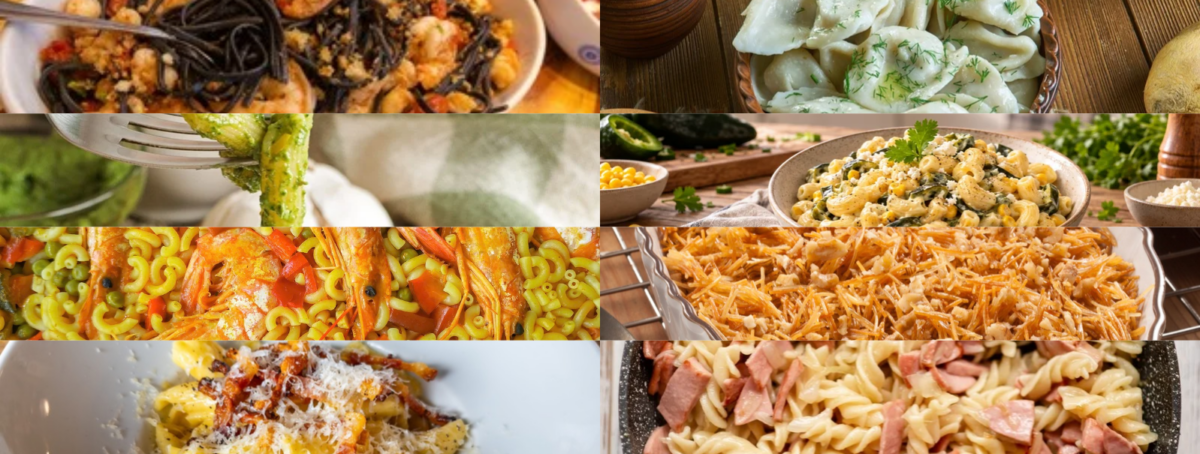
With this spirit in mind, the International Pasta Organisation has selected eight recipes from eight countries across four continents, illustrating how pasta becomes part of everyday life through different culinary traditions. From family recipes passed down through generations to dishes inspired by the meeting of different food cultures, each preparation carries its own story and a particular way of enjoying the pleasure of eating together.
This culinary journey shows how pasta can feel familiar wherever it is served, preserving its distinctive character while embracing local tastes and customs.
Eight Recipes That Tell the Story of Pasta as a Global Language
In Italy, Carbonara is one of the most recognisable symbols of Roman culinary tradition. Mezze maniche pasta, guanciale, egg yolks, Pecorino Romano and black pepper come together in a recipe built around a few ingredients and a precise technique: emulsifying the sauce off the heat to create a smooth, creamy texture.
From the United States comes Squid Ink Linguine with Shrimp, a dish with Mediterranean origins that has become particularly popular and widely reinterpreted in Illinois, Maryland and New York State.
In Argentina, Homemade Pesto with Rigatti reflects how deeply pasta is rooted in the country’s family food culture, particularly through the tradition of domingo de pastas, or Sunday pasta lunch. In this recipe, Rigatti pasta is served with homemade pesto made from fresh basil, walnuts, extra virgin olive oil, cheese and garlic.
In Mexico, Codito a la Poblana shows how an everyday pasta shape can take on a distinctly local identity. Elbow macaroni is combined with poblano peppers, sweetcorn, sour cream and mozzarella to create a creamy dish that is popular at family gatherings and shared meals. The poblano pepper gives the recipe its characteristic flavour, balancing sweetness with aromatic notes and a gentle touch of heat.
In Spain, Fideuà offers another Mediterranean interpretation of pasta. Short noodles known as fideos are toasted before being cooked in fish stock with saffron, smoked paprika, tomato, squid, prawns and mussels or clams. Closely associated with the sea and the tradition of sharing food, the dish allows the pasta to absorb the rich flavours of the stock and seafood as it cooks.
In Germany, Schinkennudeln brings pasta into the heart of home cooking. Fusilli, onion, cooked ham, eggs and butter are combined in a warm, straightforward dish, often finished with breadcrumbs, cheese, chives or parsley. It captures the comforting side of pasta, made with familiar ingredients and enjoyed around the family table.
From Russia come Pel’meni, small filled pasta dumplings made from a dough of flour, egg, water and butter, traditionally stuffed with meat, onion, garlic, sour cream and chives. The dough is rolled out, cut into circles, filled and folded into crescent shapes before being cooked and served with sour cream. The preparation reflects the importance of traditional cooking techniques and the shared experience of preparing food at home.
Finally, Türkiye contributes Vermicelli Dessert, a recipe that reveals a less expected side of pasta: its place in sweet preparations. Vermicelli are toasted in butter until they develop a caramel colour, then cooked in a syrup made from water, sugar and lemon juice and finished with walnuts. This simple preparation takes pasta beyond savoury dishes and into a different culinary tradition, where sweetness and familiar ingredients come together.
From family Sunday lunches in Argentina to everyday German home cooking and reinterpretations that cross the Atlantic, each recipe reflects a different relationship with pasta. Flavours and eating occasions may vary, but the pleasure of preparing something to share remains the same. This sense of familiarity, capable of crossing geographical and cultural boundaries, is what makes pasta part of everyday life in so many regions of the world.
The Value of Pasta, from Everyday Life to the Future
The connection between these eight recipes also helps explain why pasta continues to hold such an important place in the daily lives of millions of people. The pleasure of sharing a pasta meal goes hand in hand with its accessibility, thanks to its affordability and ease of storage and preparation. Its ability to pair with readily available ingredients also makes it a versatile base for balanced meals, encouraging the consumption of vegetables and legumes while providing a valuable source of energy for people who practise sport. Its predominantly plant-based origin and adaptability to local traditions also keep pasta relevant to discussions about food sustainability.
This focus on pasta’s value in people’s lives is also reflected in the industry’s social commitment. Through Pasta Cares, IPO and its members have set the goal of donating one billion pasta meals over ten years, helping to improve access to food in communities where it is most needed. In less than two years, nearly 150 million portions have already been distributed worldwide.
World Pasta Day 2026 therefore celebrates the pleasure of sharing meals and the role pasta can continue to play in global nutrition, bringing the international pasta community together in Parma to reflect on the future of the category.

